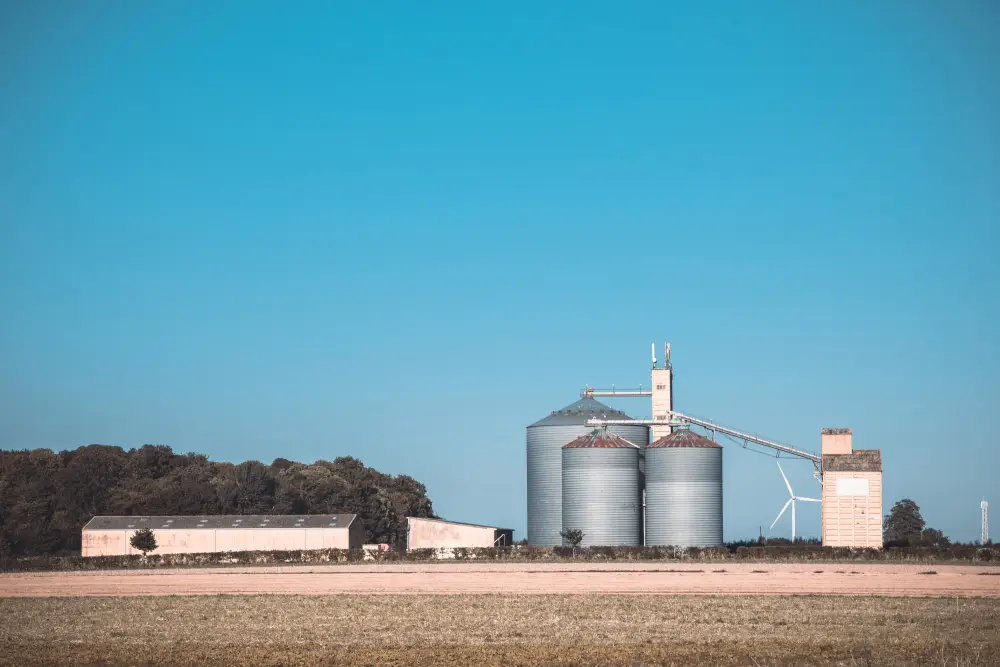
Chain Sprocket Manufacturer in Ahmedabad
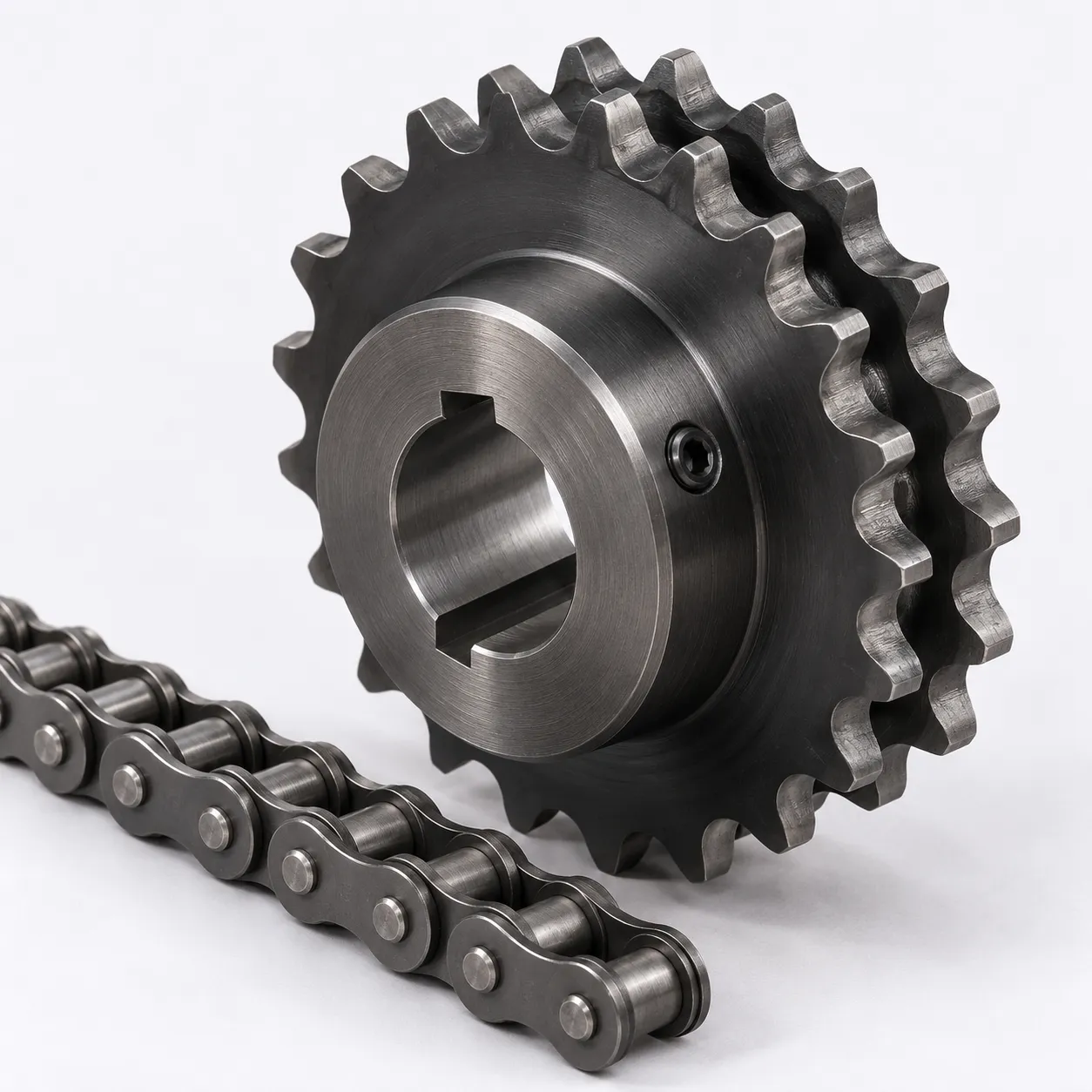
Sprockets and gears
Sprockets that run true with your chain
Simplex, duplex and triplex roller chain sprockets from 8 to 84 teeth, with pilot, finished or taper lock bores, in mild steel, carbon steel, stainless steel and cast iron. Standard pitches or made to your drawing.
A sprocket drives a roller chain with no slip: each chain roller seats at the base of a tooth, so speed and position stay fixed. Chain drives carry heavy loads at low speed and suit long centre distances where gears are not practical, as on conveyors, elevators and mill drives.
We cut the teeth to the standard form for your chain, then finish the hub, bore and keyway, or bore the hub for a taper lock bush. Conveyor and elevator sprockets are also made to your drawing.
- Since 1997
- Made to drawing
- Made in Ahmedabad
Download the sprocket cataloguePDF, 11 pages, 1.7 MB
At a glance
- Strands
- Simplex, duplex, triplex, quadruplex
- Teeth
- 8 to 84
- Pitches
- 3/8, 5/8 and 1 in in the table; others on request
- Materials
- Aluminium, mild steel, stainless steel, cast iron, Delrin, nylon and EN series steels
- Bores
- Pilot, finished with keyway, taper lock
- Custom
- Sizes outside the table on request
Size table
Sprocket pitch and teeth range
Representative values by tooth range for each chain pitch. Choose a pitch.
Tooth width 5.31 mm
3/8 in (9.525 mm) pitch
Light conveyors, packaging and machine drives.
| Teeth | Outside diameter | Bore | Hub diameter | Length through hub |
|---|---|---|---|---|
| 8 to 15 | 24 to 45 mm | 9 to 20 mm | 13 to 34 mm | 22 to 25 mm |
| 16 to 20 | 48 to 60 mm | 22 to 30 mm | 37 to 49 mm | 25 to 28 mm |
| 21 to 25 | 62 to 75 mm | 30 to 35 mm | 50 to 57 mm | 28 mm |
| 26 to 30 | 77 to 90 mm | 38 mm | 60 mm | 28 to 30 mm |
| 32 to 40 | 95 to 120 mm | 40 to 45 mm | 65 to 70 mm | 30 mm |
| 42 to 57 | 125 to 170 mm | 45 mm | 70 to 75 mm | 30 mm |
| 60 to 84 | 179 to 250 mm | 45 mm | 75 mm | 30 mm |
Tooth width 9.17 mm
5/8 in (15.875 mm) pitch
Medium duty conveyors and mill drives.
| Teeth | Outside diameter | Bore | Hub diameter | Length through hub |
|---|---|---|---|---|
| 8 to 15 | 40 to 75 mm | 16 to 38 mm | 22 to 57 mm | 25 mm |
| 16 to 20 | 80 to 100 mm | 44 to 51 mm | 63 to 76 mm | 25 mm |
| 21 to 25 | 105 to 125 mm | 48 to 51 mm | 73 to 76 mm | 25 mm |
| 26 to 30 | 129 to 150 mm | 51 to 57 mm | 76 to 82 mm | 32 mm |
| 32 to 40 | 159 to 200 mm | 57 mm | 82 mm | 32 mm |
| 42 to 57 | 209 to 284 mm | 57 to 64 mm | 82 to 95 mm | 32 mm |
| 60 to 84 | 298 to 418 mm | 64 to 70 mm | 95 to 108 mm | 32 to 44 mm |
Tooth width 16.18 mm
1 in (25.4 mm) pitch
Heavy duty elevators, sugar and cement plant drives.
| Teeth | Outside diameter | Bore | Hub diameter | Length through hub |
|---|---|---|---|---|
| 16 to 20 | 128 to 160 mm | 67 to 70 mm | 100 to 108 mm | 45 mm |
| 21 to 25 | 167 to 200 mm | 70 mm | 108 mm | 50 mm |
| 26 to 30 | 207 to 239 mm | 80 mm | 120 mm | 50 mm |
| 32 to 40 | 255 to 319 mm | 80 mm | 120 mm | 50 mm |
| 42 to 57 | 334 to 454 mm | 80 to 85 mm | 120 to 130 mm | 50 mm |
| 60 to 84 | 477 to 668 mm | 85 to 108 mm | On request | 50 to 90 mm |
Representative values only. Other pitches, tooth counts, hub sizes and multi strand sprockets on request.
Types
Simplex, duplex and triplex sprockets
-
Simplex
One row of teeth for a single strand chain.
-
Duplex
Two rows for double strand chain and higher loads.
-
Triplex and quadruplex
Three or four rows for heavy, high power drives.
-
Taper lock sprockets
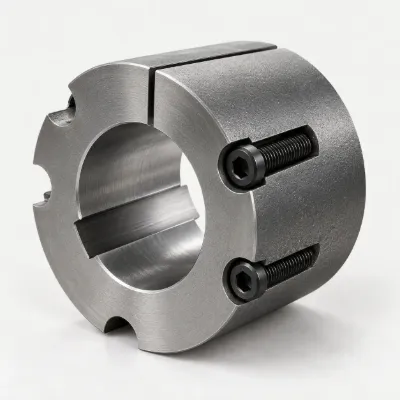
Bored for a taper lock bush for quick fitting.
-
Conveyor and elevator
Sprockets for conveyor and bucket elevator chains, made to drawing.
-
Made to drawing
Special tooth counts, hubs and double sprockets.
Materials
Materials for chain sprockets
-
Aluminium
Light with low inertia, so drives start and stop quickly.
Best for: general machinery
-
Mild steel
Tough and economical, machined from bar for most industrial parts.
Best for: general duty
-
EN series steels
Carbon and alloy steels, hardened where needed for high torque and wear.
Best for: high load
-
Stainless steel
Resists corrosion where machines are washed down or run wet.
Best for: food and pharma
-
Cast iron
Stable and economical for large diameter, heavy duty parts.
Best for: large diameters
-
Delrin and nylon
Quiet and light, with no lubrication needed.
Best for: light, quiet drives
Replacing a sprocket
How to measure a sprocket for replacement
-
Chain pitch
Read the chain number, or measure between roller centres.
-
Strands and width
Count the strands and note the inner width of the chain.
-
Count the teeth
This sets the sprocket diameter and the speed ratio.
-
Bore and hub
Bore, keyway and hub diameter and length.
Industries
Where our chain sprockets run
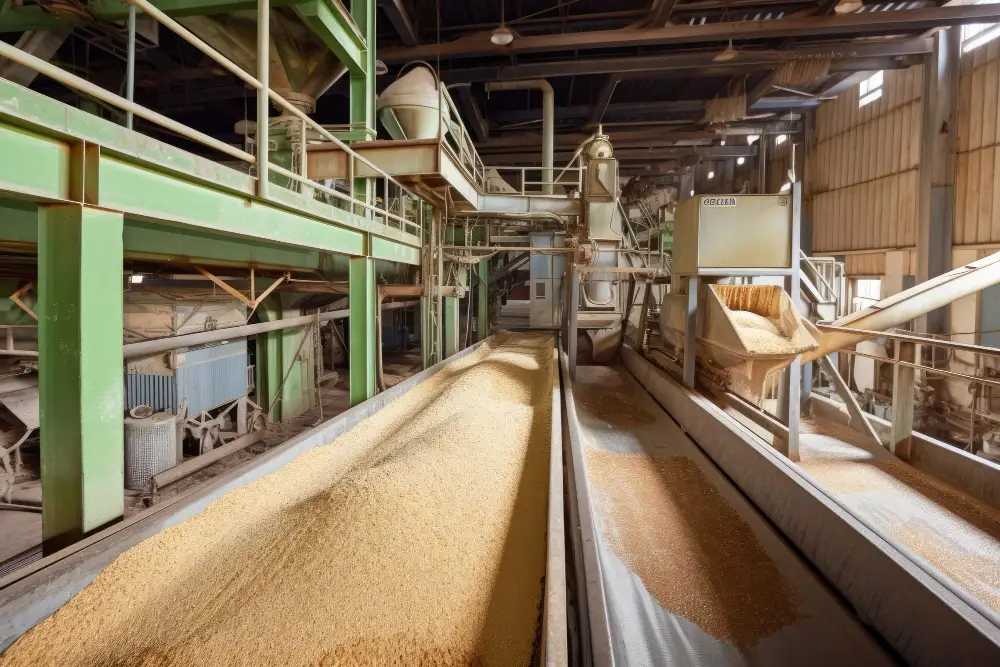
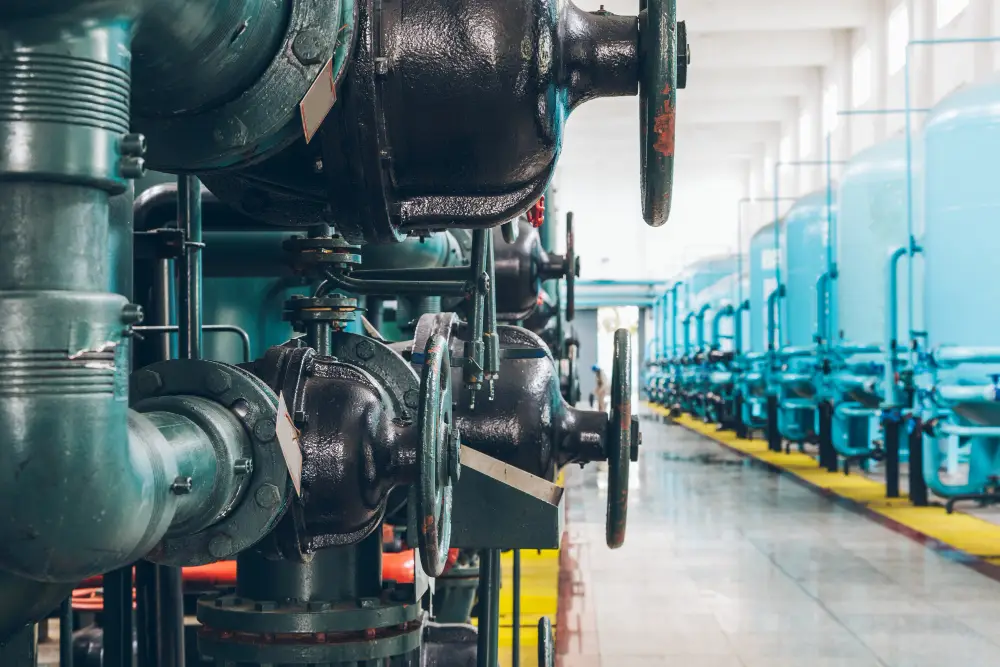

FAQ
Chain sprockets: common questions
Quick answers for maintenance and purchase teams.
Find the chain pitch from the chain number or by measuring between roller centres, then count the strands and the teeth. Add the bore, keyway and hub size, and we will match the sprocket.
The number of chain strands they carry: one, two or three. More strands carry more load at the same pitch.
Aluminium, mild steel, stainless steel, cast iron, Delrin, nylon and EN series steels. Aluminium suits light, fast drives, mild steel and EN series steels suit high torque and wear, stainless steel suits washdown areas, cast iron suits large heavy parts, and Delrin or nylon suit light, quiet drives.
Yes. Custom sizes outside our standard table, including conveyor and elevator sprockets, are made to your drawing or sample.
Replace it when the teeth look hooked or thinned. Fit a new chain at the same time, because a worn chain quickly wears a new sprocket.