Spur Gear Manufacturer in Ahmedabad
Sprockets and gears
Straight cut gears for parallel shafts
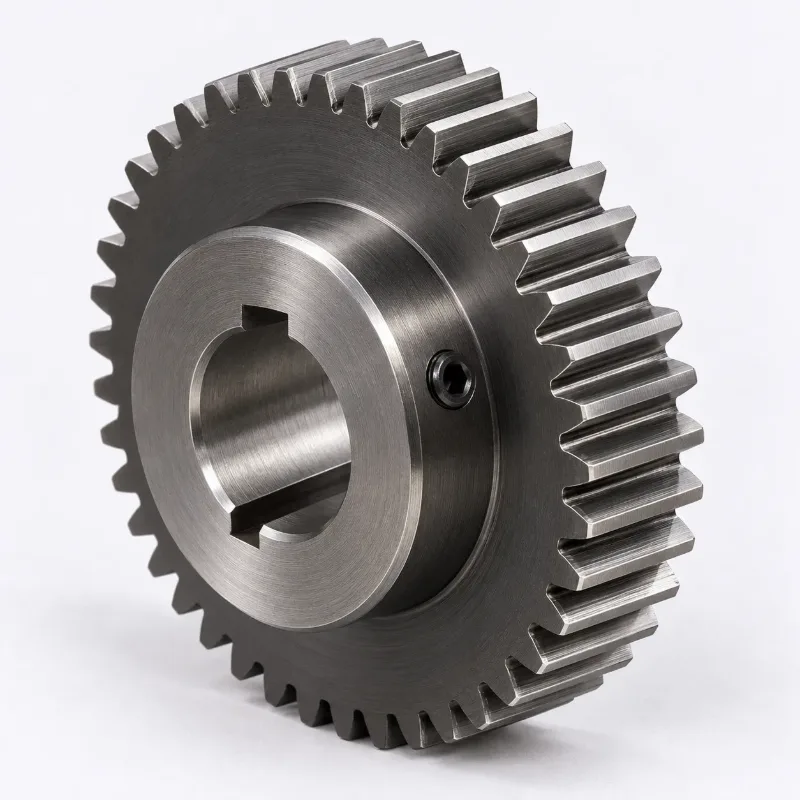
Spur gears and pinions from module 0.5 to 10 (DP 50.8 to 2.54), up to 15 in diameter, in EN series steels, mild steel, stainless steel, cast iron, Delrin and nylon. Hobbed, shaped or ground, with heat treatment as required.
Spur gears have straight teeth parallel to the shaft. They are simple, efficient and easy to maintain, which makes them the standard choice for parallel shaft drives in mills, machine tools and process machinery.
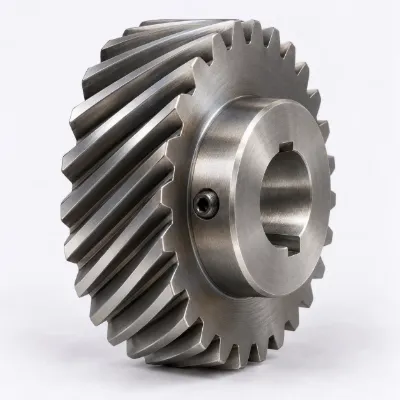
We machine gears and pinions from solid bar to module or DP, with involute teeth cut by hobbing or shaping, then heat treat and grind them as your drawing requires. For quieter running at speed, see our helical gears.
The involute tooth profile is the industry standard because it keeps a constant velocity ratio with minimal interference between teeth, which gives smooth, reliable running. Spur gears are fully customisable in shape, size and specification, and we make each one to accurate dimensions for strength and a long working life in demanding industrial conditions.
- Since 1997
- Made to drawing
- Made in Ahmedabad
Download the gear cataloguePDF, 8 pages, 3.0 MB
At a glance
- Module
- 0.5 to 10 (DP 50.8 to 2.54)
- Diameter
- Up to 15 in
- Pressure angle
- 20° or 25°
- Cutting
- Hobbing, shaping, milling, grinding, wire cut
- Heat treatment
- Case hardening, carburising or nitriding to the required hardness
- Finishing
- Grinding or lapping; black oxide, zinc or chrome plating
Capability
Spur gear specifications
Involute teeth
Spur gear capability
Machined from solid round bar.
| Parameter | Range |
|---|---|
| Module | 0.5 to 10 |
| Diametral pitch | 50.8 to 2.54 |
| Diameter | Up to 15 in |
| Pressure angle | 20° or 25° |
| Gear cutting | Hobbing, shaping, milling, grinding, EDM, wire cut |
| Heat treatment | Case hardening, carburising or nitriding to the required HRC |
| Surface finish | Black oxide, zinc or chrome plating |
| Final finishing | Grinding or lapping |
| Shaft features | Flat or hexagonal |
| Production | Prototype, small and large runs |
Materials
Materials for spur gears
-
Aluminium
Light with low inertia, so drives start and stop quickly.
Best for: general machinery
-
Mild steel
Tough and economical, machined from bar for most industrial parts.
Best for: general duty
-
EN series steels
Carbon and alloy steels, hardened where needed for high torque and wear.
Best for: high load
-
Stainless steel
Resists corrosion where machines are washed down or run wet.
Best for: food and pharma
-
Cast iron
Stable and economical for large diameter, heavy duty parts.
Best for: large diameters
-
Delrin and nylon
Quiet and light, with no lubrication needed.
Best for: light, quiet drives
Types
Spur gears and pinions to module or DP
-
External spur gears
Teeth on the outside, the most common type.
-
Internal spur gears
Teeth on the inside of a ring, for compact drives.
-
Pinions
The smaller gear of a pair, often cut on the shaft.
Benefits
Benefits of spur gears
-
High efficiency
Minimal tooth friction and simple meshing pass power on with little loss, for dependable, constant output.
-
Simple design
Straight teeth on a cylindrical body are easy to make and maintain, which keeps cost and maintenance low.
-
Durability
Strong, wear resistant materials handle significant load and torque, even in continuous industrial duty.
-
Variety
Many sizes, materials and configurations, from light duty tasks to heavy industrial machinery.
Replacing a gear
Replacement spur gears: what to send
-
Teeth and diameter
Module = outside diameter ÷ (teeth + 2).
-
Face width and bore
Face width, bore, keyway and hub.
-
Material and hardness
If known, or tell us the duty.
-
Mating gear
Its tooth count, or a drawing or sample.
Industries
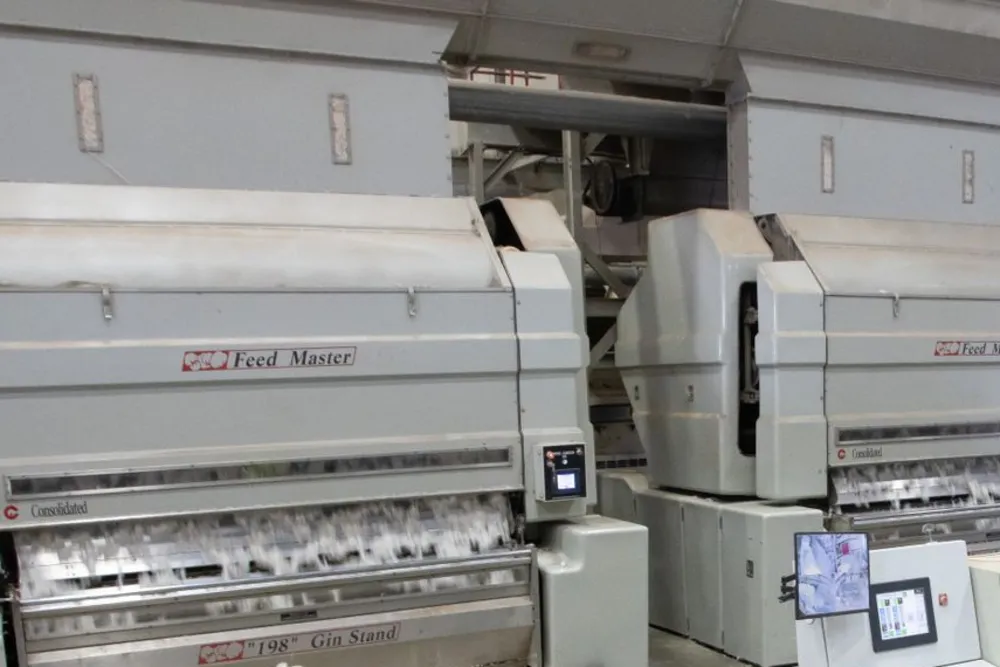
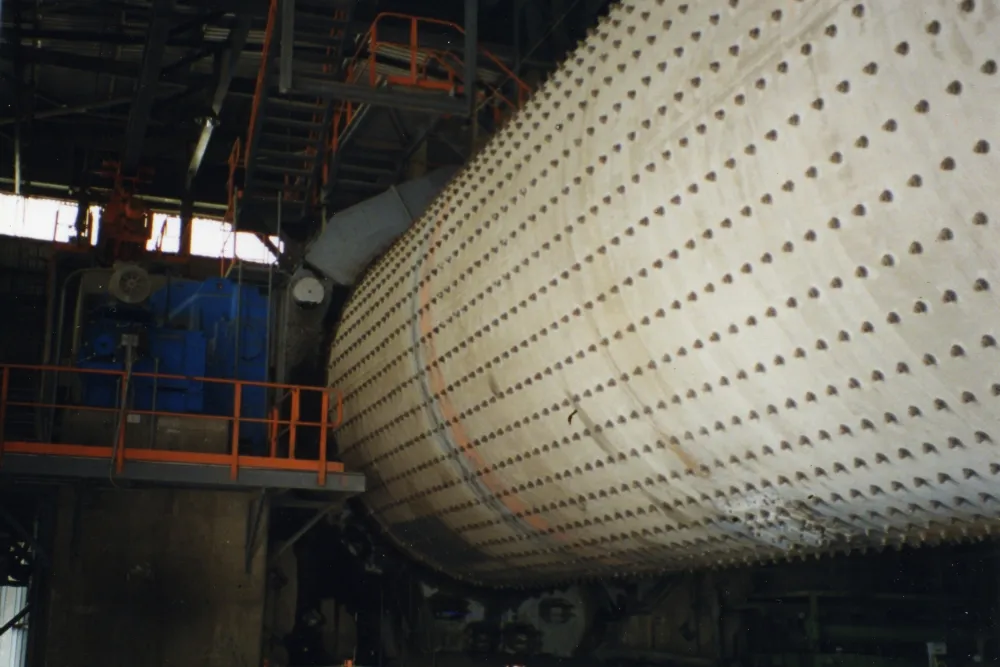
Where our spur gears run
FAQ
Spur gears: common questions
Quick answers for maintenance and purchase teams.
Count the teeth and measure the outside diameter. Module = outside diameter in mm ÷ (teeth + 2). DP = (teeth + 2) ÷ outside diameter in inches. A whole number result tells you which system the gear uses.
Aluminium, mild steel, stainless steel, cast iron, Delrin, nylon and EN series steels. Aluminium suits light, fast drives, mild steel and EN series steels suit high torque and wear, stainless steel suits washdown areas, cast iron suits large heavy parts, and Delrin or nylon suit light, quiet drives.
20° is the common standard. Always match the pressure angle of the mating gear. We also cut 25° gears.
Spur gears up to 15 in diameter, from module 0.5 to 10.
Yes. Gears are case hardened, carburised or nitrided to the required hardness, and finished by grinding or lapping where your drawing calls for it.
The involute shape keeps a constant velocity ratio between the two gears, even with small changes in centre distance, and it limits interference between the teeth. That gives smooth, reliable running and makes gears easier to cut and match.
Wherever motion, power and torque must pass between parallel shafts, from light machine drives to mills, machine tools and process machinery. They suit drives where simplicity and easy maintenance matter more than very quiet running at high speed.